Back on the Road With Certainty - Reliable Auto Care
Dependable auto repair is crucial for vehicle safety and performance. A reliable shop provides thorough work, from routine checks to urgent repairs. Recognizing when your vehicle requires service can be difficult. Many drivers struggle with finding trustworthy mechanics. Regular maintenance is essential for prolonging a vehicle's life. Yet, the intricacies surrounding pricing and talking to repair technicians can leave one unsure. How can vehicle owners ensure their vehicles are always prepared for driving?
Understanding When Your Vehicle Requires Work
How can one figure out when a vehicle needs servicing? There are multiple key indicators that show a repair necessity. Abnormal noises, such as grinding or squeaking, often point to brake or engine troubles. Warning lights on the dashboard, especially the check engine light, should not be ignored, as they signal potential problems that need immediate investigation. Moreover, a reduction in performance, such as sluggish acceleration or difficulty starting, can also point to underlying mechanical issues.
Visual markers, such as fluid leaks or irregular tire degradation, are additional warnings that upkeep is necessary. If the vehicle veers to one side while in motion, this could suggest alignment complications or tire defects. Regularly observing these factors can help ensure timely servicing, preventing greater harm and financial burden in the coming years. Ultimately, being vigilant and proactive is essential for maintaining automotive wellness.
How to Find a Dependable Auto Repair Shop
Locating a trustworthy auto repair shop can be a tough job for vehicle owners. To start out, individuals should seek guidance from associates, next of kin, or work associates. Own experiences often impart pertinent information into a operation's quality of service. Online reviews and ratings on networks like Yelp or Google can also help evaluate customer satisfaction.
Next, examining certifications and affiliations with recognized industry organizations, such as the Automotive Service Excellence (ASE), can suggest a shop's commitment to professional standards. It is advisable to inspect prospective locations for an opening appointment, allowing owners to gauge cleanliness, organization, and customer service.
Moreover, obtaining documented quotations before any work commences can prevent confusion concerning costs. Finally, a established shop should be transparent about its services and inclined to explain repairs. By following these steps, vehicle owners can increase their chances of finding a trustworthy auto repair shop.
The Essential Value of Ongoing Vehicle Care
While many car owners may overlook routine upkeep, consistent vehicle maintenance is indispensable for securing a car's endurance and superior functionality. Avoiding upkeep can create a series of problems, from small troubles to significant breakdowns. Regular inspections, such as lubricant replacements, tire rotations, and brake evaluations, can prevent costly repairs and improve driving safety.
Additionally, regular upkeep helps maintain a vehicle's fuel efficiency, decreasing overall running expenses. It also protects the market value; a well-maintained car is often more attractive to prospective customers.
Participating in routine upkeep cultivates a sense of responsibility among owners, encouraging them to stay knowledgeable about their vehicle's needs. By prioritizing maintenance, vehicle owners not only safeguard their asset but also add to overall road safety. Ultimately, regular vehicle upkeep is a proactive approach that benefits both the owner and the wider society.
Learning About Restoration Costs
Interpreting repair costs can often be confusing for vehicle owners. Multiple considerations influence these outlays, including labor rates, component expenses, and the challenge of the repair process. Labor charges vary substantially depending on region and shop, often reflecting the mechanic's proficiency and the shop's overhead. Additionally, the selection of parts employed—whether original equipment manufacturer (OEM) or substitute—can significantly influence the total expense.
Vehicle model and age also play a role to costs; less common or older vehicles may need unique components that are more expensive and harder to source. Moreover, unforeseen problems can emerge during repairs, causing extra expenses that were not originally expected. By developing fundamental knowledge of these factors, vehicle owners can address repair assessments with increased assurance and establish well-reasoned conclusions regarding their vehicle requirements.
How to Lucidly Present Car Issues to Your Technician
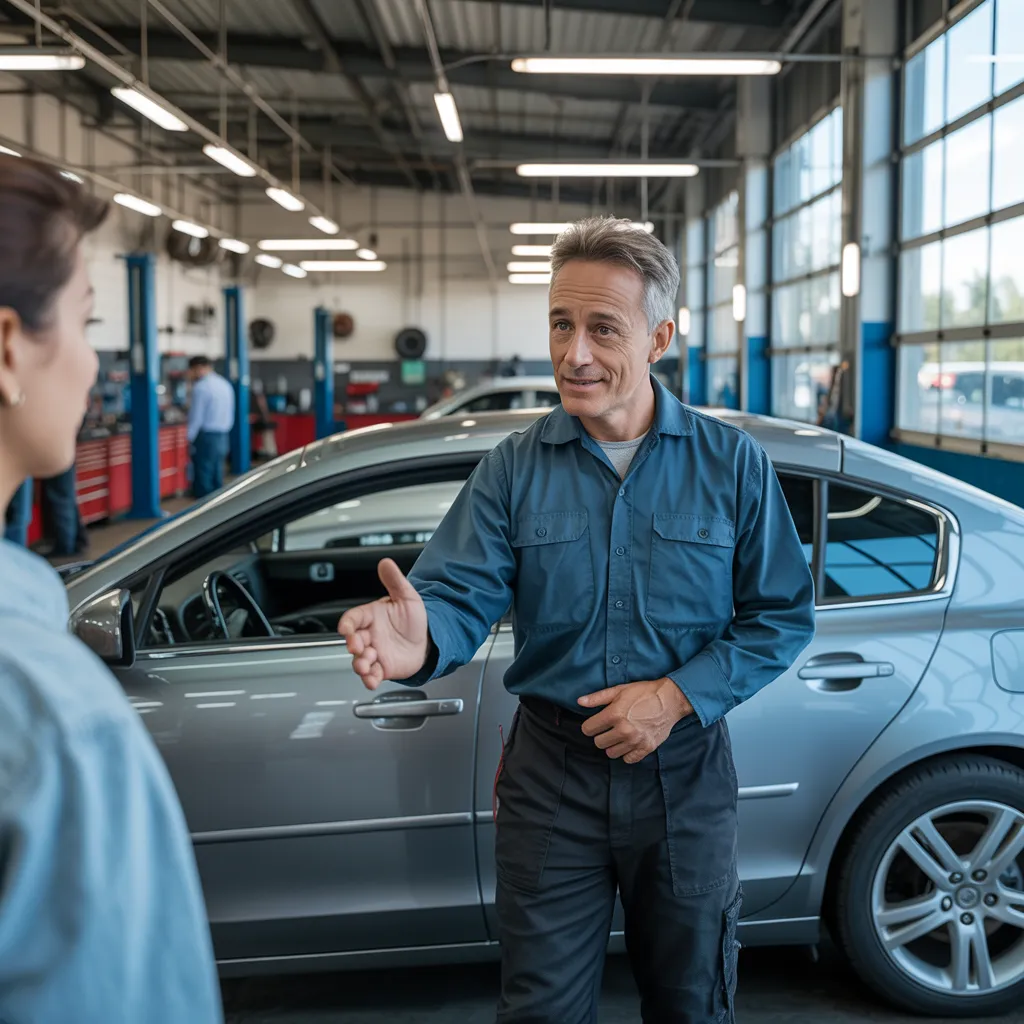
Communicating car issues clearly to a technician can significantly improve the assessment and restoration procedure. When describing issues, car owners should be precise about symptoms, such as strange sounds, shaking, or dashboard alerts. Offering information on when the problem occurs—whether during acceleration, braking, or sitting idle—can also help the mechanic identify the issue.
It is worthwhile to observe any recent variations in driving behavior or maintenance history. Using direct, simple communication negates misunderstanding, enabling the auto technician to understand the circumstances better. Owners should refrain from using specialized language unless they are certain about its meaning.
Additionally, bringing documentation, such as service records or previous repair invoices, can provide context. A focused description not only aids in swift diagnosis but also fosters a collaborative relationship between the car owner and the mechanic, ultimately resulting in effective repairs.
Developing a Enduring Relationship With Your Auto Repair Shop
Establishing a lasting connection with an auto repair shop depends on confidence and honesty. Consistent quality service reinforces this connection, while clear dialogue lines guarantee that clients feel listened to and appreciated. Combined, these factors establish a relationship that serves both the client and the technician.
Establish Reliability Through Clear Communication
When clients feel educated about the services their vehicles need, reliance naturally forms between them and their auto repair shop. Transparency in communication is fundamental; it allows clients to understand the logic behind advised repairs and maintenance. Auto repair shops that provide in-depth explanations, precise estimates, and open dialogues promote a sense of security among their clientele. This openness not only clarifies the repair process but also empowers clients to make well-informed decisions. Additionally, sharing information about the shop’s qualifications, warranties, and service history improves credibility. By focusing on transparency, auto repair shops can nurture lasting relationships, encouraging customer loyalty and retention. Ultimately, trust through pertinent information transparency facilitates a more satisfying and trustworthy auto repair experience.
Reliable Quality Service
Consistent reliable service is the foundation of a lasting relationship between customers and their auto repair shop. When customers receive reliable and efficient repairs, they are more likely to return for future maintenance. This reliability cultivates trust, allowing customers to have confidence in the expertise of the technicians. Over time, as customers witness the same excellent quality being upheld, a sense of dedication develops. Regularly performed quality checks and adherence to industry standards guarantee that vehicles are not only repaired but also kept in good condition to forestall subsequent problems. Such dedication to excellence creates an atmosphere where customers are appreciated, knowing their vehicles are in competent hands. Ultimately, this pledge to consistent quality service strengthens the bond between auto repair shops and their clientele.
Establish Communication Pathways
Effective interchange serves as an essential connection between customers and their auto repair shops, enhancing confidence and comprehension. Transparent communication pathways foster a collaborative atmosphere where customers feel important and kept in the loop. When repair shops deliver clear explanations regarding services, expenses, and timeframes, patrons can make better determinations about their vehicles. Regular communications during repairs can alleviate apprehension and build assurance in the shop's expertise. Conversely, patrons who express their reservations and preferences contribute to a more tailored engagement. This reciprocal dialogue not only strengthens bonds but also encourages loyalty. By prioritizing open interchange, auto repair shops can establish a name for reliability, ensuring that customers return for subsequent requirements, confident in the service they will experience.
Regularly Answered Questions
What Can I Do if My Car Breaks Down Suddenly?
If a vehicle breaks down unexpectedly, the driver should carefully move to the side of the road, turn on hazard lights, assess the situation, and call for roadside assistance or a tow service if needed. Staying calm is essential.
How Can I Assess if a Mechanic Is Credible?
To determine a mechanic's trustworthiness, one should check reviews, ask for referrals, verify qualifications, and notice openness in pricing. A reliable mechanic will speak plainly and provide detailed explanations of required maintenance and services.
Do vehicle repair warranties exist?
Several auto repair shops provide warranties on their services and parts, typically spanning 90 days to several years. Customers should ask about specific terms and conditions to guarantee adequate coverage for their repairs.
What Resources Should I Have in My Car for Urgent Situations?
A adequately supplied car should contain a spare tire, jack, jumper cables, flashlight, first aid kit, basic tools, and tire pressure gauge. These requirements help guarantee safety and address minor issues during unexpected emergencies on the road.
What Steps Should I Follow to Get My Car for Weather Changes?
To prepare a car for climate shifts, one should check fluid levels, examine tires for wear and inflation, test the power source, change wipers, and make sure lights work correctly for best safety and operation.